Controlled Object - Machine, Basic Principles And Important Historical Figures
1. Definition of Machine
1. Core Definition
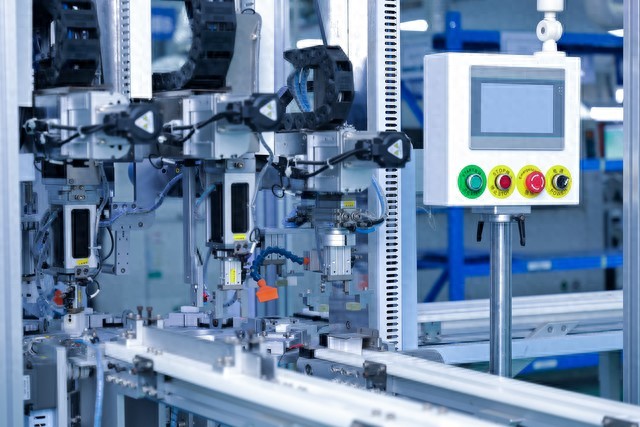
Machine: A device with a specific purpose that augments or replaces human/animal power to accomplish physical tasks.
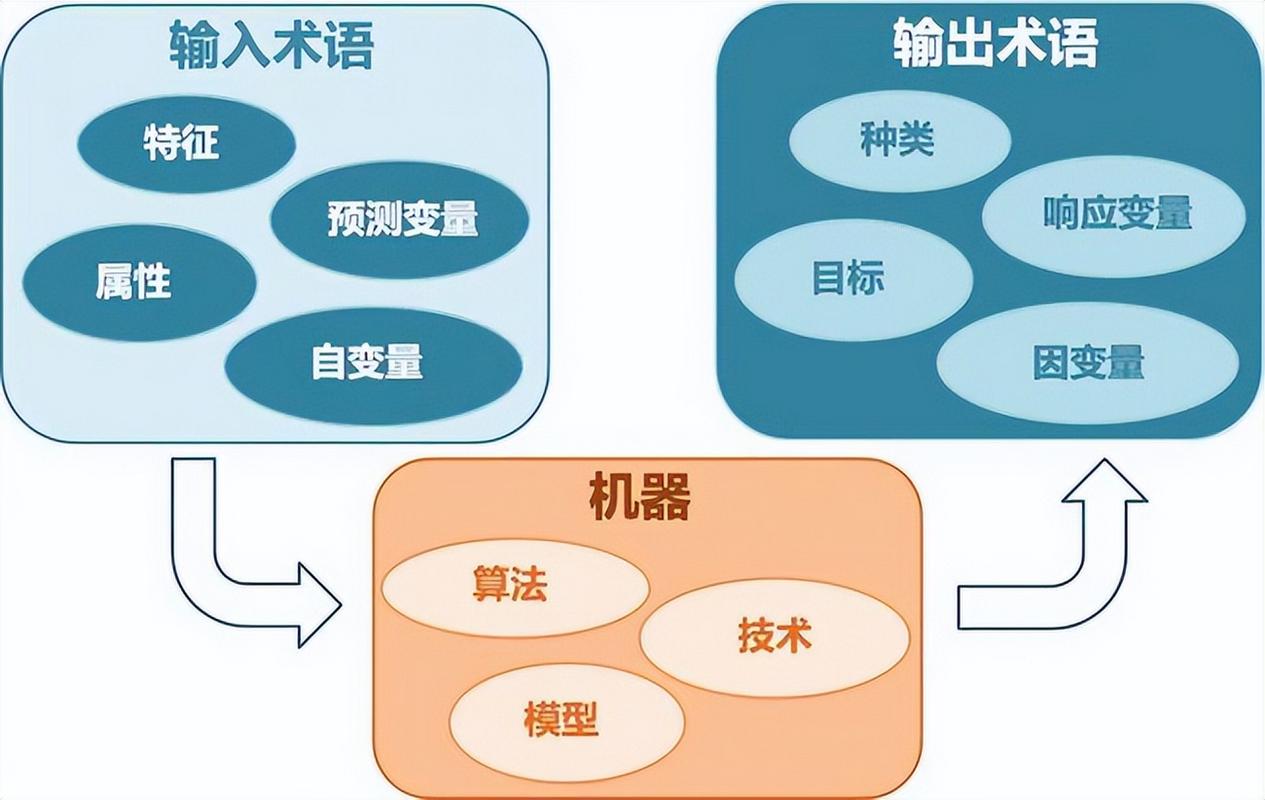
Its core features include input (input), output (output) and energy/force/motion conversion and transmission device (transforming/transmitting device).
2. Scope of coverage
Machines are divided into two categories, covering simple to complex mechanical systems:
2. Energy Conversion & Classification of Machines 1. Energy conversion method
One of the core functions of the machine is energy conversion, which mainly includes:
2. Three Core Categories of Machines
category
English terms
Function description
Typical examples (Examples)
prime mover
Prime Movers
Obtain input energy from natural sources and convert it into mechanical energy (such as rotational axis motion)
Windmill, waterwheel, turbine, steam engine, internal-combustion engine
Generator/Energy Converter
Generators
Convert mechanical energy into other forms of usable energy (electrical energy, hydraulic energy, pneumatic energy)
Electric generator, hydraulic pump, air compressor
operating machine
Operators
It is neither a prime mover nor a generator, and directly completes specific physical tasks (including manually operated equipment)
Materials processing machinery, packaging machinery, sewing machine, calculating machine
Note: In practical applications, three types of machines are often used in combination (such as diesel electric locomotives: diesel engine → generator → electric motor → wheel drive).
3. Typical Components: Automobile Example (Typical Components: Automobile Example)
A car is a typical representative of a complex machine. Its core components and functions are as follows:
Part name
English terms
Function description
Slider crank mechanism
Slider-Crank Mechanism
Convert the linear motion of the piston (translatory/rectilinear motion) into the rotational motion of the crankshaft (rotary motion)
camshaft
Camshaft
Through the wedge-shaped action of cams, the opening and closing of valves are controlled to realize the entry of oil and gas and the discharge of exhaust gas.
flywheel
Flywheel
Use inertia to slow down fluctuations in crankshaft speed and make power output smoother
clutch
Clutch
Connect/disconnect the crankshaft and transmission to achieve unloaded start of the engine
transmission
Transmission
Change the ratio of input/output speed and torque to adapt to car start, stop and high-speed driving
drive shaft
Drive Shaft
Transmit transmission power to rear axle
universal joint
Universal Joint
Adapts to the relative movement of the body and the rear axle without affecting torque transmission
differential gear
Differential Gears
Allows the rear wheels on both sides to rotate at different speeds (such as when cornering) while maintaining power drive
Lubrication system
Lubrication
Reduce friction in engines, transmissions and other components and reduce energy loss
brake pads
Brake Shoes
Using friction to slow down or stop a vehicle is a "useful application" of friction
bevel gear
Bevel Gears
Realize the right-angle power connection between the drive shaft and the rear axle (the speed ratio is usually 1:3~1:4)
4. Core Principles of Machines 1. Constrained Motion
The most significant feature of the machine: the relative movement between components is limited by specific paths (guided by fixed paths), divided into two categories:
2. Mechanism & Kinematics of Machines 3. Work, Power & Efficiency
concept
English terms
Definitions and formulas
Unit
Work
The work done by the force in the direction of motion:
Linear motion: WORK = F×S (F = force, S = distance)
Rotational motion: WORK = T×θ (T = torque, θ = rotation angle)
Foot-pound, Joule
power
Power
Work done per unit time (work rate)
Horsepower (hp), Watt (Watt)
horsepower
Horse power (hp)
Imperial power unit: 1 hp = 33,000 foot-pounds per minute
Horsepower (hp)
efficiency
Efficiency
Ratio of output work to input work (always < 100% due to friction):
Efficiency = (Output Work / Input Work) × 100%
percentage(%)
4. Mechanical Advantage & Velocity Ratio 5. Key People
Core contributors to early machine invention and development:
1. Oliver Evans
Core contributions: high-pressure steam engines, automated production lines, early amphibious vehicles
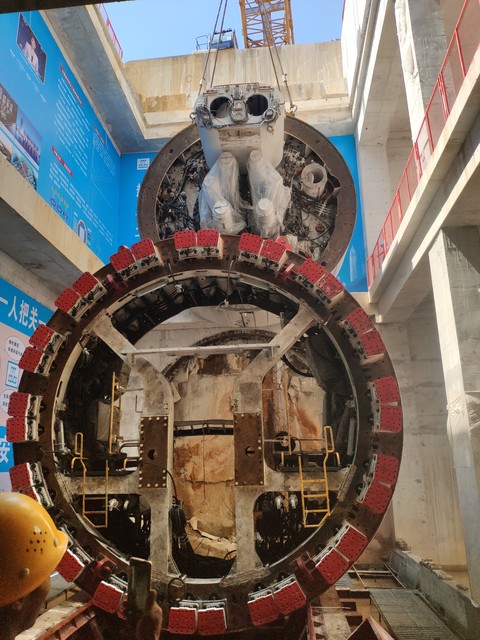
2. Sir Marc Isambard Brunel
Core contributions: industrial machinery manufacturing, tunnel shield
technology
3. Elmer Ambrose Sperry
Core contribution: Gyro navigation and stabilization system
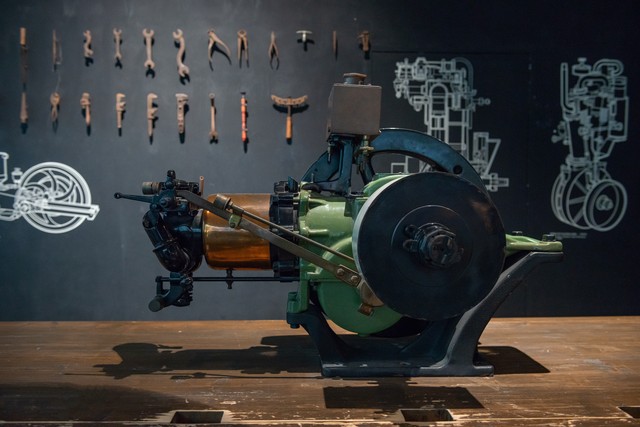
4. Johann Georg Bodmer
Core contributions: precision machine tools, textile machinery innovation
5. Sir Richard Arkwright
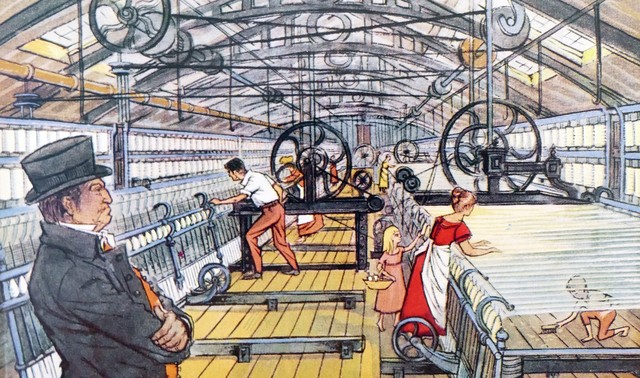
Core contributions: hydraulic spinning machine and factory production model